// Senior front-end engineer · Team lead
// Mohamed Hasan
I build the parts of a product that decide whether people trust it — design systems, complex UI, wallet flows, and the performance nobody circles back to.
- available
- open — Q4 2026
- experience
- 11+ yrs · 2000+ ships · 6 ventures
- currently
- FE lead @ Storage IT · co-founder @ Web3 Monkeys
Long-term collaborationsLong-term collaborations across fintech, marketplaces, creative tools, and blockchain products





Senior front-end, product-minded engineering
I have spent the last decade helping teams take ideas from rough concepts to well-structured, accessible interfaces — marketing pages, content-heavy products, and complex dashboards with real-time data. My sweet spot is the intersection of user experience, performance, and a codebase that is easy to extend.
Whether you are an early-stage founder or an established org modernizing a legacy UI, I can plug in as a hands-on individual contributor, a tech lead, or a bridge between design and implementation — always with shared ownership and clear communication.
Stack & tools
- Next.js (App Router)
- React & TypeScript
- Tailwind & shadcn/ui
- Prisma & PostgreSQL
- Ethers, wagmi, viem
- CI, Vercel, automation
Tooling is chosen for team fit — I have integrated design tokens, headless CMS, analytics, and wallet flows across different stacks.
Clarity over cleverness
Code and UI should be obvious to the next person — a teammate, a client, or you six months from now.
Velocity with guardrails
I ship fast with linting, types, and sensible abstractions so speed doesn't turn into long-term technical debt.
Design ↔ engineering
I work comfortably with Figma, component libraries, and product constraints to align visuals with what is shippable.
Three ways I plug into a team
Own a feature or a surface end to end — from the data layer to the pixels — and ship it in reviewable slices alongside your team.
Set the front-end direction, run reviews, define the conventions, and keep engineering aligned with design and product without becoming the bottleneck.
Translate a Figma file into a build plan, flag the expensive components early, and propose the small changes that make them cheap.
What I help teams build
From greenfield products to high-traffic refactors, I bring a full front-end practice: system design, implementation, and the operational habits that keep quality high after launch.
Things I've shipped
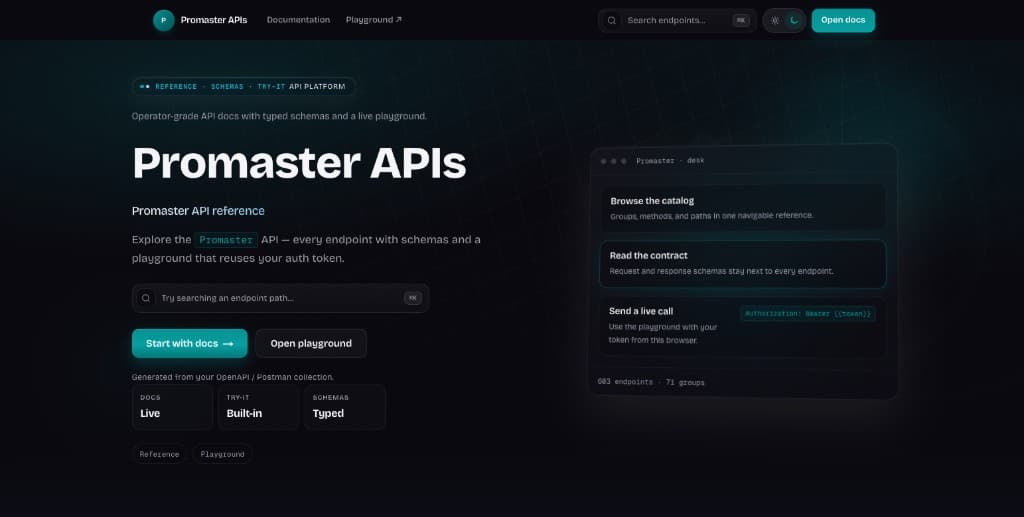
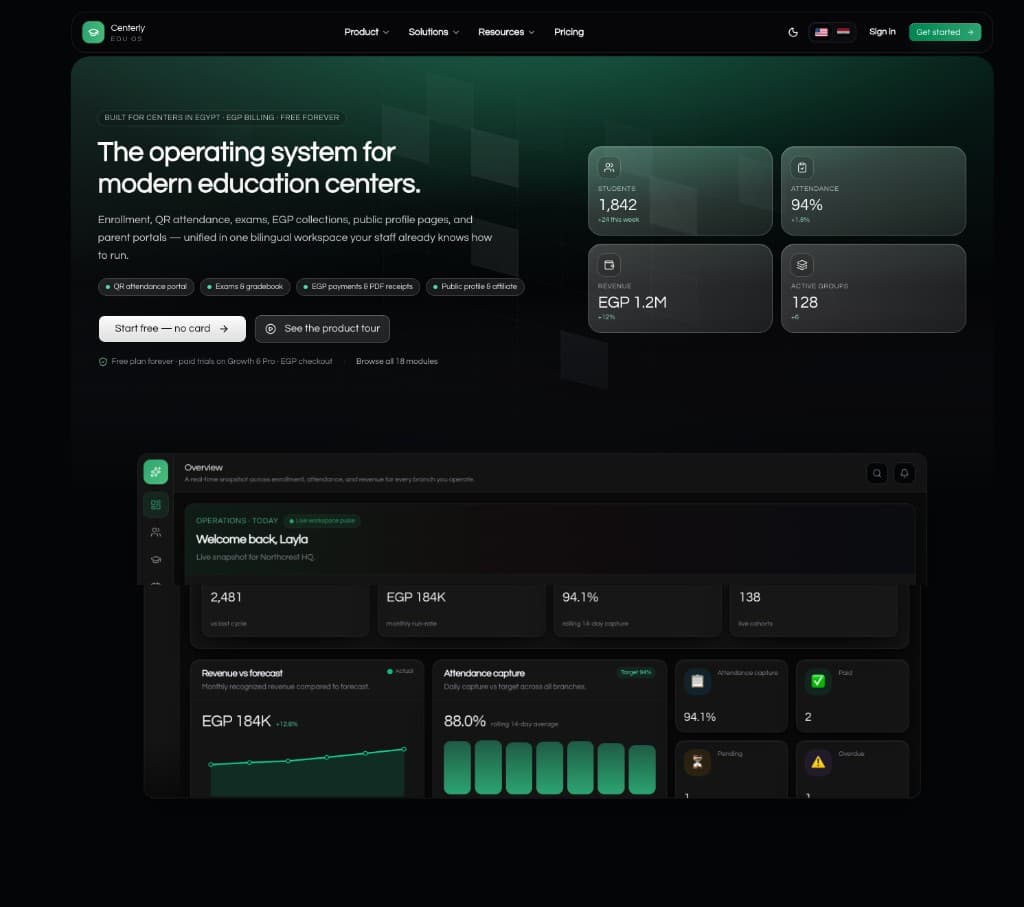
A few representative builds — dashboards, Web3 interfaces, and design systems. Full write-ups and the rest are on the work page.
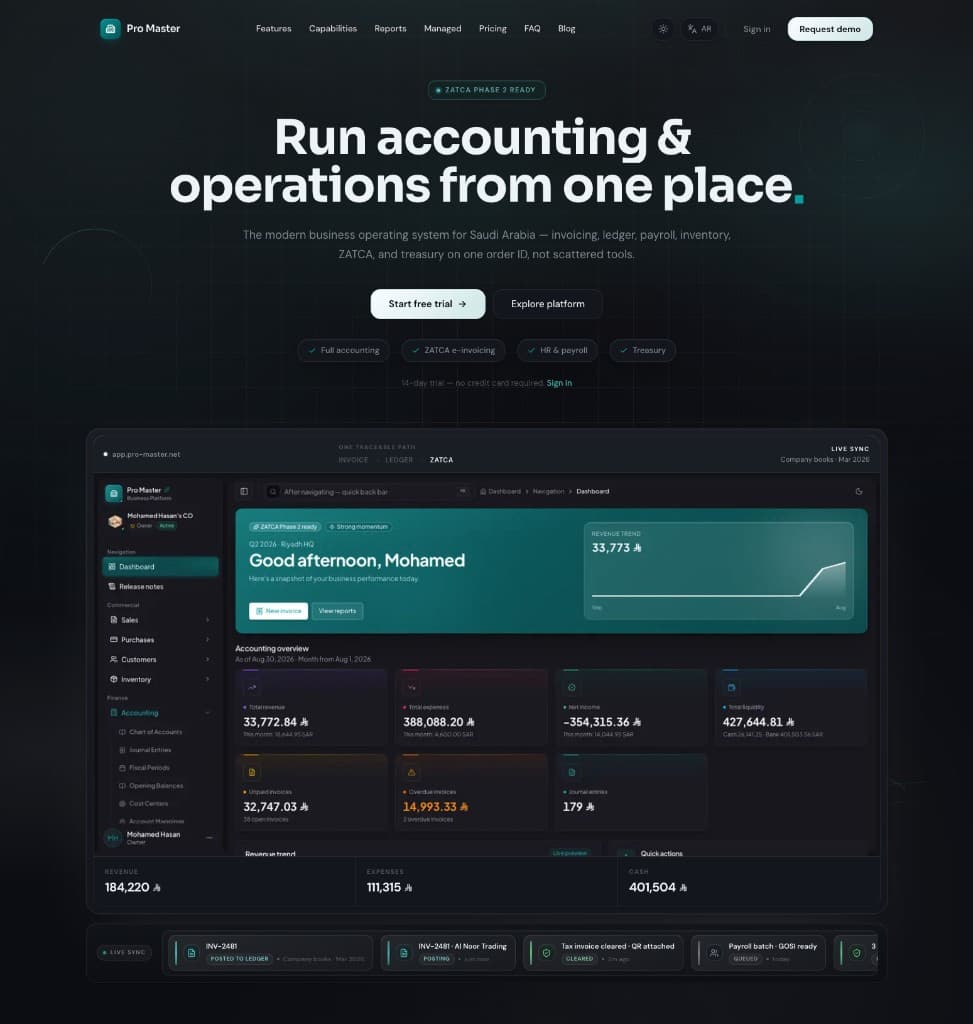
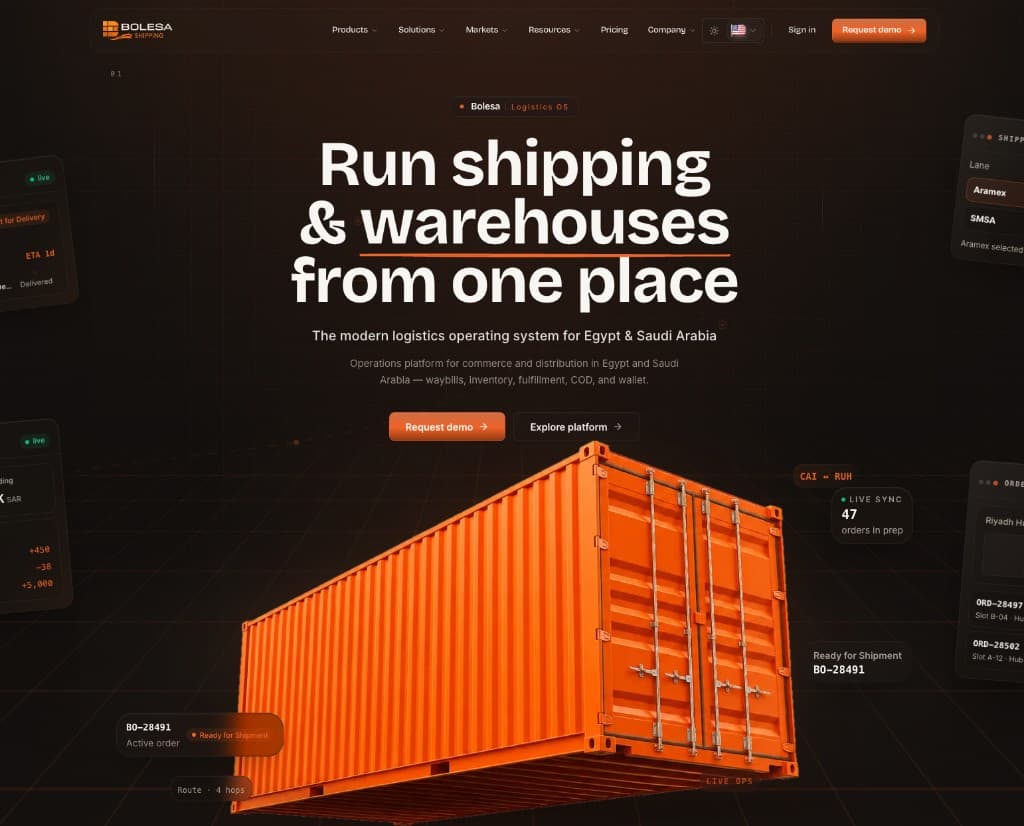
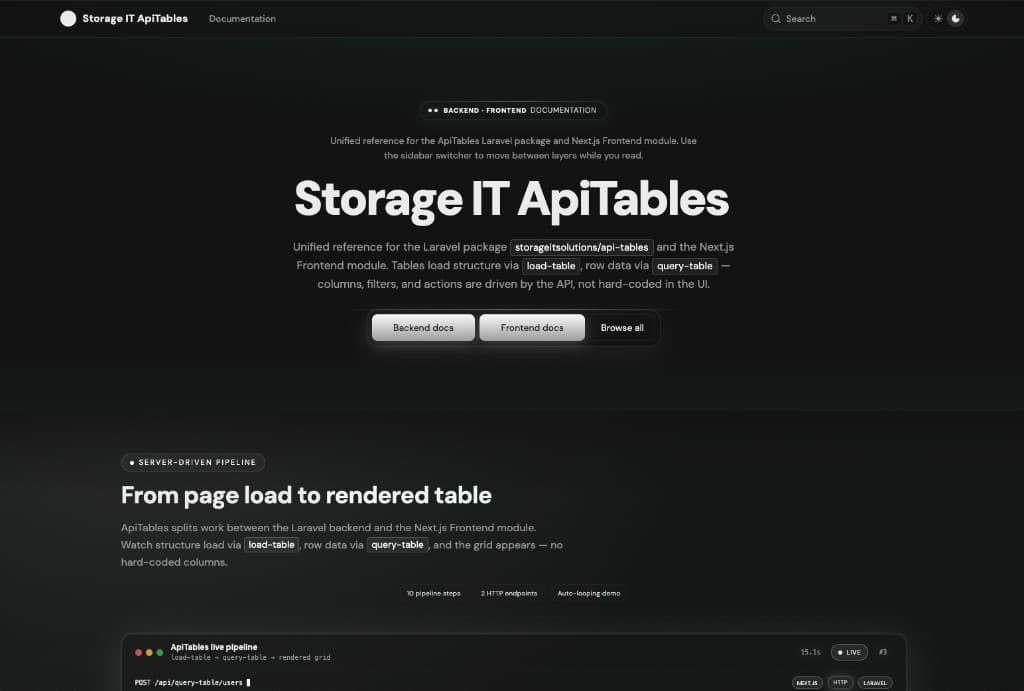
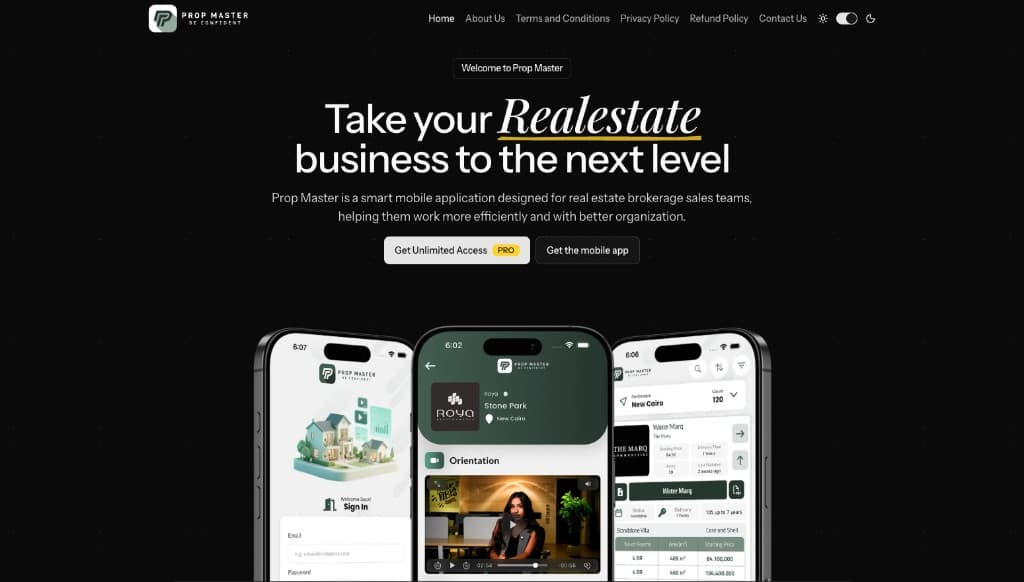
How I ship production-ready products
A simple system that keeps projects clear, fast, and dependable from kickoff through iteration.
Discovery
We align on goals, constraints, and success metrics, then turn that into a practical scope.
- A working session on the problem, the users, and what success looks like in numbers
- A read of the existing code, design, and analytics if they exist
- A written scope: what is in, what is explicitly out, and the risks I can see
You get: A short scope document and a milestone plan you can approve or push back on before any code is written.
Build
I ship in small, reviewable slices with performance, accessibility, and clean architecture in mind.
- Work in vertical slices — each one is a real, shippable improvement, not a half-finished layer
- Pull requests small enough to review properly, with context in the description
- A preview deploy for every change so you can click through it, not just read a diff
You get: Working software behind a preview URL, merged in slices, with the main branch always deployable.
Refine
After launch, we tighten UX, polish edge cases, and keep velocity high without quality regressions.
- A polish pass on the states that only show up in production — empty, error, slow, offline
- Performance and accessibility checked against real field data
- Documentation and conventions written down so the team can keep moving
You get: A finished feature, a documented codebase, and a team that can extend it without me.
A career built on products, not just pages
Highlights are compressed for scanning — the full story is in my CV and, better yet, a conversation. I am happiest in teams that value honest estimates, design partnership, and shipping in sensible slices.
Web3 Monkeys
2024 – PresentCo-Founder
Co-creating a Web3-native brand: smart-contract-adjacent products, go-to-market sites, and partner delivery — balancing storytelling with technically accurate blockchain UX.
- Own the entire front-end surface: marketing, app, and partner integrations
- Set the wallet and transaction UX patterns reused across every product
- Work directly with contract developers to keep the interface honest about on-chain state
Storage IT Solutions
2021 – PresentReact Developer → Front-End Team Lead
Grew from individual contributor to lead: own critical React/Next features, set front-end standards, run reviews, and align engineering with design and stakeholders on a multi-squad product.
- Introduced the front-end conventions, review process, and component library the squads share
- Led the migration of key surfaces to the App Router with no feature freeze
- Mentor mid-level engineers through code review and pairing without becoming a bottleneck
Ionic Hub (Digital & Web3 Agency)
2019 – 2024Founder
Led an agency from proposal through delivery: product discovery, technical architecture, and hands-on build for web apps and early Web3 initiatives — hiring specialists when scope demanded it.
- Ran discovery, scoping, and delivery for dozens of client engagements
- Set the technical direction and did the hands-on build on most projects
- Learned to scope honestly and say no to work that did not fit
Bootstrapious
2015 – 2019Front-End Developer / Theme & Plugin Developer
Authored sellable HTML/CSS themes, jQuery plugins, and custom map integrations. Focused on documentation and consistent patterns so non-expert buyers could extend templates safely.
Teck Station
2015 – 2016Front-End Developer
Implemented responsive UIs and asset pipelines for local and regional clients, collaborating closely with back-end and design to keep iteration cycles short.
Upwork & International Clients
2012 – 2015Freelance Front-End Developer
Built bespoke marketing sites, WordPress/PHP customization, and early JavaScript-driven interfaces for a global client base — from quick MVPs to multi-page brand sites.
What clients say
Feedback from marketplaces, startups, and agencies — real people I have delivered for, often across multiple milestones.
“We're highly satisfied with the work of Mohamed. Very professional and competent at what he does. Looking forward to working with him again.”
“Mohamed provided an excellent service. I was really happy to cooperate with him and I am already thinking about our next cooperation.”
“Mohamed has everything I needed: design skills, coding skills, and the ability to work independently.”
“Great experience overall. The work was delivered on time, and every detail we discussed was implemented accurately. Would definitely work together again.”
“Very professional and easy to work with. Communication was smooth, and the final result exceeded my expectations.”
“Super easy to work with. I appreciated how fast things were delivered and how open they were to feedback.”
The Journal
Questions I get a lot
If yours isn't here, it's a two-line email away — I reply to every one within a couple of business days.
Mostly embedded — as a contributor, a lead, or the bridge to design. I also take smaller standalone pieces where a team needs one specific thing built well and handed back documented.
That is a large share of my work. I start with a short audit — architecture, performance, and the parts the team is nervous about — then propose a sequence of changes that improve things without a rewrite.
Often. I am comfortable consuming a REST or GraphQL API your team owns, and equally comfortable building the data layer inside Next.js with Server Actions and a database. The right answer depends on your team shape, not on ideology.
A short discovery call, then a written scope — what is in, what is out, the risks I can see, and a rough milestone sequence — that you approve before any code is written.
Part of it. Focus management, semantics, contrast, and keyboard support are how you build a component correctly. I test with a screen reader as I go and run an automated pass in CI.
A polish pass on the states that only show in production, the conventions and data patterns written down, a handover session, and availability for the questions that come up in the weeks after.
Tell me about your product
Share a short brief — problem, timeline, and stack — and I'll reply with a candid view on fit, effort, and the fastest path to a shippable milestone.